Medical Centre Cleaning in Newcastle & the Central Coast: A Practical Checklist
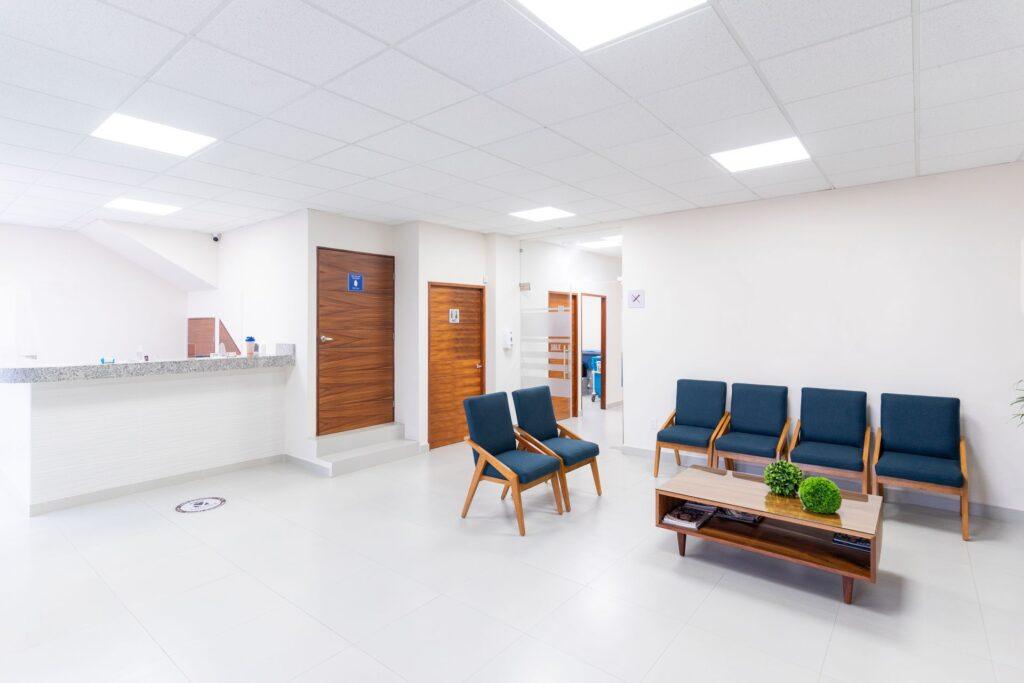
Medical centres have very different cleaning requirements from offices, shops and residential homes. Higher foot traffic, frequent contact with shared surfaces, treatment rooms and busy waiting areas all increase the need for consistent hygiene and careful cleaning practices.3
Effective medical centre cleaning reduces contamination risks while keeping patient, staff, and visitor areas clean, safe, and presentable throughout the day. In this blog post, we’ll cover the areas medical practices should focus on when planning their cleaning routines.
Medical practices seeking professional cleaning support can also explore our commercial cleaning services.
How Is Medical Centre Cleaning Different To Regular Cleaning?
In medical centres, hundreds of patients, staff and visitors come into contact with reception counters, door handles, examination tables, toilet facilities, medical equipment and other surfaces throughout the day. This is why medical centre cleaning needs to go beyond the general dusting, vacuuming and surface cleaning expected in a standard office or residential home. Cleaning routines must reflect the level of use and contamination risk in each area.
In medical centre cleaning, staff pay careful attention to high-touch surfaces and shared areas where germs can easily transfer from hands to surfaces and between patients, staff, and visitors. These can include reception counters, waiting areas, door handles, light switches, taps, toilets, treatment tables, phones, keyboards and medical equipment.
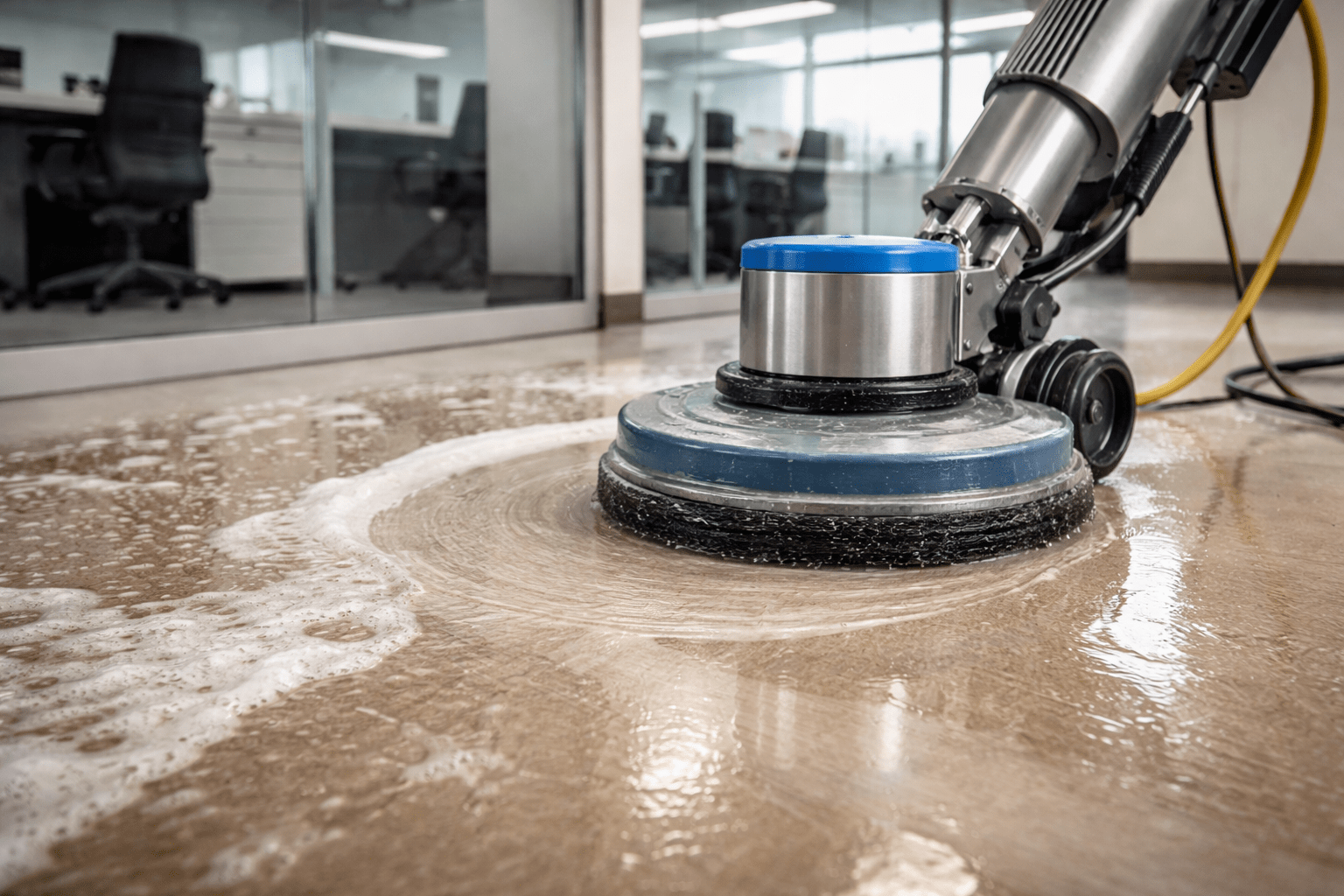
Disinfection is also an important part of medical centre cleaning. Cleaning removes dirt, dust and other debris from a surface, but disinfection targets bacteria, viruses and other pathogens that remain. In higher-risk clinical areas, cleaning and disinfection are vital to reduce germs and protect both patients and staff.
In Newcastle, medical practices should consult the Australian Guidelines for the Prevention and Control of Infection in Healthcare, which apply across healthcare settings, including office-based practices such as GP clinics.
Medical office cleaning also needs to be planned around appointments and daily operations to avoid disrupting patients, visitors or staff. Clear responsibilities are essential, with agreed cleaning schedules, defined tasks, and documented expectations helping staff and cleaners understand what needs to be done and when.
- More high-touch surfaces
- High-traffic areas
- Treatment and consultation rooms
- Higher risk of contamination
- Safety standards must be met
- Working around patients and staff
- Documentation required
Want to learn more about reducing the spread of germs through effective commercial cleaning? Read our guide to reducing germs and allergens in commercial spaces.
Medical Centre Cleaning Checklist
A medical facility cleaning checklist should reflect how each area is used, how often surfaces are touched and the practice’s own cleaning procedures. Here is a practical starting point for routine medical centre cleaning:
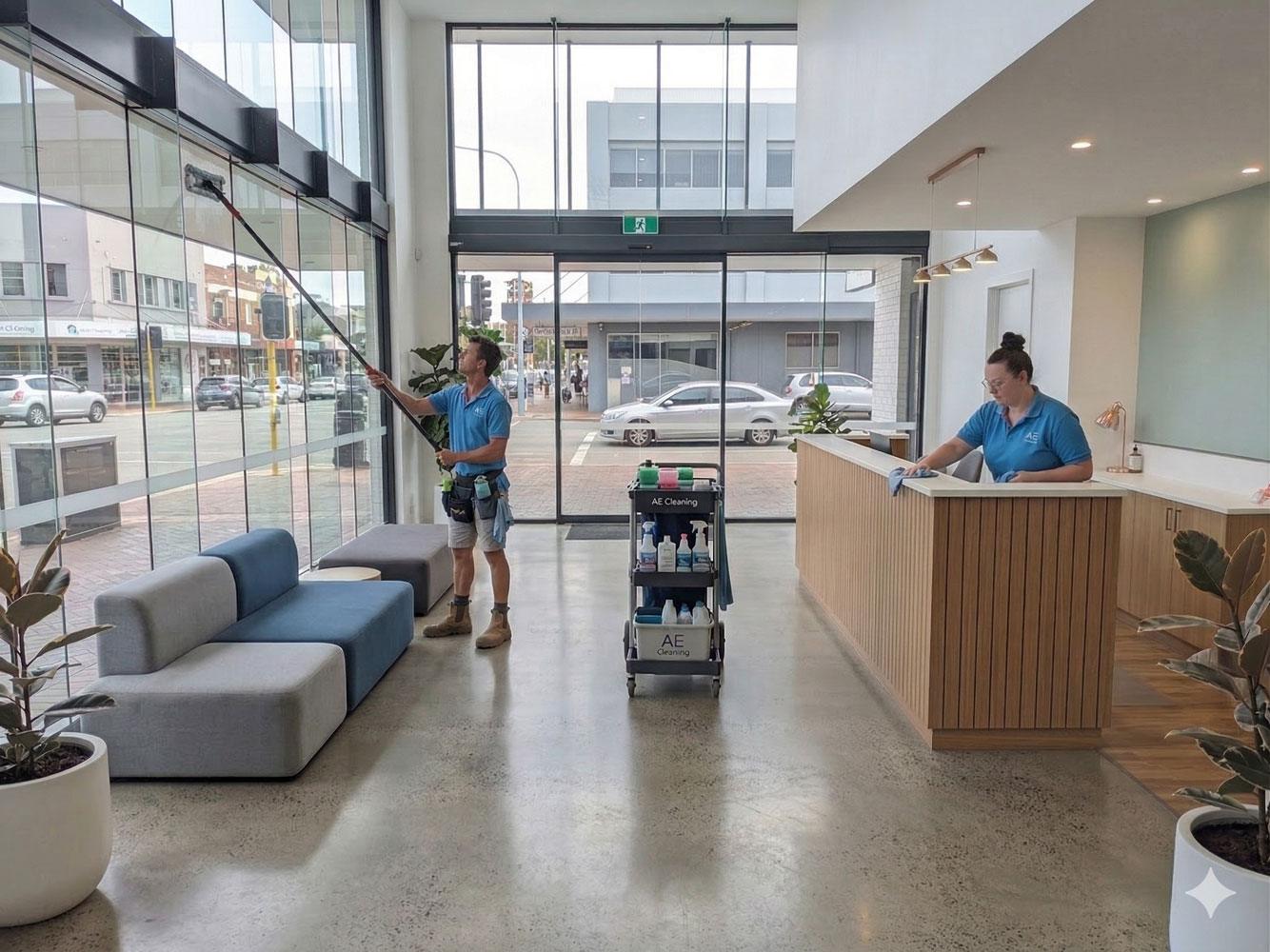
Reception & waiting areas
Reception areas see constant movement throughout the day, making regular attention important.
- Reception counters
- EFTPOS terminals and shared pens
- Door handles and push plates
- Chair arms and seating
- Light switches and check-in screens
- Tables and display areas
- Floors and glass doors
- Bins
Frequently touched surfaces should not be left until the end of the day. If a surface is dirty, clean it promptly in line with the practice’s procedures. Australian guidance recommends cleaning frequently touched surfaces when visibly soiled and after known contamination.
Consultation & treatment rooms
These spaces require particular attention because patients, staff and equipment regularly come into contact with surfaces.
- Door handles and light switches
- Desks and work surfaces
- Examination-room furniture
- Chairs
- Sinks and surrounding surfaces
- Floors and bins
- Frequently touched equipment surfaces
Clean clinical equipment only according to the medical practice’s procedures and the manufacturer’s instructions. Cleaning responsibilities should be clearly defined rather than assumed to fall within a general commercial cleaning scope.
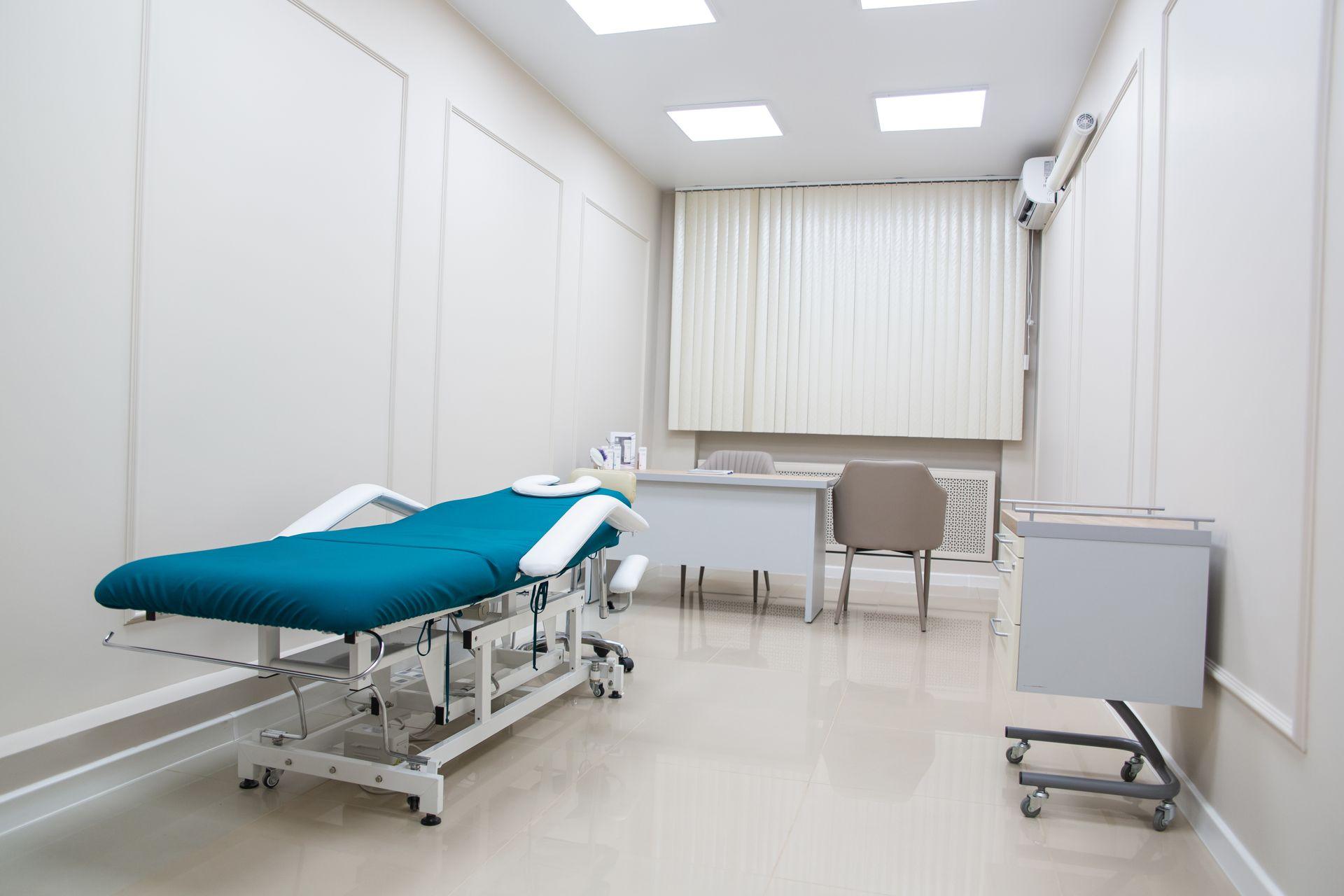
Bathrooms & handwashing areas
Regular tasks include cleaning:
Staff rooms and shared areas
- Toilets, basins and taps
- Soap and paper dispensers
- Door handles and mirrors
- Floors and bins
- Restocking agreed consumables
These spaces also contain frequently handled surfaces, including:
- Bins
- Kitchen benches and appliance handles
- Tables and chairs
- Staff lockers and common touchpoints
- Sinks
- Floors
High-Touch Areas That Need More Attention
High-touch surfaces need closer attention because patients, staff, and visitors handle them repeatedly throughout the day. For medical office cleaning services, cleaning frequency should reflect how busy each area is, how often surfaces are touched and the practice’s own procedures.
This handy table below highlights common high-touch areas in a medical centre, typical examples and the practical cleaning considerations for each:
| Area | Examples | Cleaning consideration |
| Entry points | Door handles, push plates | Multiple times where traffic warrants |
| Reception | Counters, payment terminals | Frequent shared contact |
| Waiting areas | Chair arms, tables | High patient turnover |
| Consultation rooms | Handles, switches, work surfaces | Between-use requirements depend on practice procedures |
| Bathrooms | Taps, dispensers, door hardware | Frequent inspection recommended |
How To Reduce Cross-Contamination During Cleaning
Good cleaning routines should avoid carrying dirt and contaminants from one part of the medical centre to another. Here are four ways to reduce cross-contamination during cleaning:
1: Use separate equipment for different areas
Colour-coded cloths, mop heads or other equipment can help keep bathroom cleaning separate from general and treatment-area cleaning.
2: Clean from lower-risk areas toward dirtier areas
Work from cleaner spaces toward bathrooms, waste areas and more heavily soiled zones to reduce unnecessary transfer between areas.
3: Change cloths & cleaning materials regularly
Using the same cloth across several rooms can simply move dirt from one surface to another. Replace or launder materials regularly.
4: Handle waste carefully
Remove general waste safely and contain it properly. Clinical or regulated waste should follow the medical centre’s established procedures and, where required, be handled by appropriately authorised providers.
What Should Medical Centre Staff Handle, & What Should The Cleaner Handle?
Clear responsibility boundaries help you avoid missed tasks and confusion between medical centre staff and the cleaning team. In general, staff handle immediate issues, clinical equipment and anything governed by the practice’s own procedures, while the commercial cleaner focuses on routine environmental cleaning. Agree on the exact split in advance and document it in the cleaning scope.
The table below provides a practical guide to how responsibilities can be divided between medical centre staff and your commercial cleaner:
| Responsibility | Medical centre staff | Commercial cleaner |
| Immediate spills during operating hours | ✓ | As arranged |
| Clinical equipment | According to practice procedure | Only where explicitly included |
| General floors | ✓ | |
| Bathrooms | Spot checks | ✓ |
| Reception surfaces | As needed | ✓ |
| General waste | As required | ✓ |
| Clinical/regulated waste | Practice procedure | Only if specifically authorised |
What To Look For When Choosing Medical Cleaning Services
When comparing medical cleaning services in Newcastle and the Central Coast, look beyond price alone. The right provider should understand healthcare environments, define responsibilities clearly, and fit cleaning around how your practice operates.
Check for:
- Flexibility to adjust the cleaning plan as the practice changes
- Experience cleaning medical or healthcare premises
- A clearly documented scope of work
- Cleaning frequencies suited to the practice
- Procedures for separating equipment between different areas
- Appropriate staff training
- Reliable supervision and quality checks
- Suitable insurance
- Clear key, alarm and after-hours access procedures
- Ability to work around opening hours
- Clear communication when issues are identified
- Transparent inclusions and exclusions
Questions To Ask a Commercial Cleaner Before Hiring
Before appointing a medical centre cleaner, ask practical questions about their experience, responsibilities, supervision and access. Clear answers make it easier to compare providers and understand exactly what’s included in the cleaning agreement. Here’s what you should ask:
- What tasks are explicitly excluded from the agreement?
- Have you cleaned medical centres or similar facilities before?
- How will you prevent equipment from being transferred between bathrooms and treatment areas?
- What is included in the standard cleaning scope?
- Which areas are cleaned daily, weekly and periodically?
- Can cleaning take place outside consulting hours?
- How are cleaners supervised?
- How do we report missed tasks or request changes?
- Who supplies products, consumables and equipment?
- How are keys, alarms and building access handled?
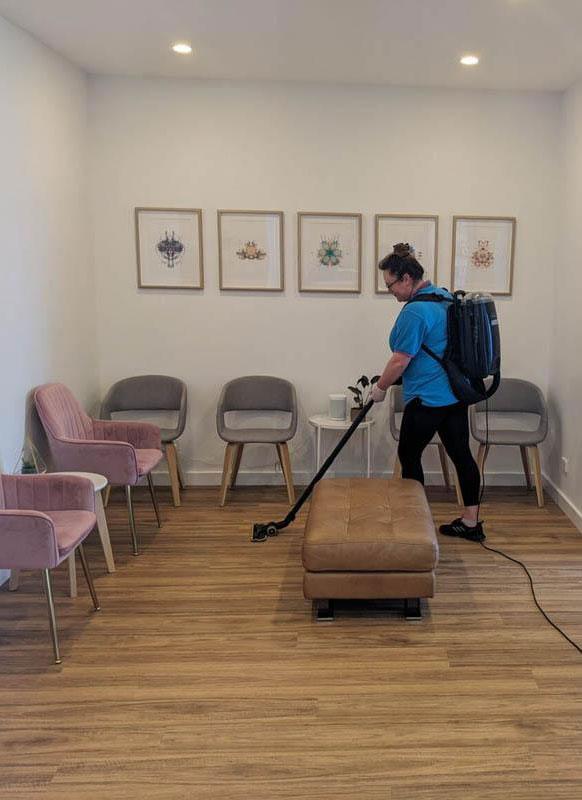
Medical Centre Cleaning in Newcastle & the Central Coast
The right cleaning plan will look different for every medical centre depending on its size, patient numbers, types of rooms, opening hours and existing staff responsibilities.
A smaller clinic will need a very different schedule from a busy, multi-room practice operating extended hours. The important thing is to build a cleaning plan around how the centre is actually used.
At AE Cleaning, we provide professional medical centre and commercial cleaning services across Newcastle and the Central Coast. With more than eight years of commercial cleaning experience, our team understands the importance of hygiene, sanitisation, discretion and careful cleaning around medical environments.
If you manage a medical centre, GP clinic or healthcare practice in Newcastle or on the Central Coast, contact our experienced team to discuss a cleaning schedule tailored to your facility.
Medical Centre Cleaning FAQs
Have questions about professional cleaning services, what’s included, or what’s right for your business? We’ve answered some of the most common questions below to help you understand what to expect and make the right choice for your cleaning needs.
How often should a medical centre be professionally cleaned?
Medical facility cleaning frequency depends on the size of the practice, patient numbers, room use and opening hours. High-traffic areas, bathrooms and frequently touched surfaces may need attention more often than low-use spaces. A practical cleaning schedule should reflect how the medical centre actually operates rather than a fixed one-size-fits-all frequency.
Should medical centre cleaning be scheduled after hours?
Often, yes, where access arrangements permit. After-hours cleaning reduces disruption to appointments, staff and patients. Early mornings and evenings are also practical alternatives where they fit your centre’s operating hours and access arrangements.
What is included in medical office cleaning services?
A typical medical office cleaning scope includes reception areas, waiting rooms, consultation rooms, bathrooms, staff areas, floors, bins and agreed high-touch surfaces.
Who is responsible for cleaning medical equipment?
Clinical equipment should be cleaned according to the medical centre’s procedures and the equipment manufacturer’s instructions. Responsibility might sit with practice staff or another nominated person. Commercial cleaners should clean clinical equipment only when specifically agreed and provided instructions.
How is medical centre cleaning different from office cleaning?
Medical centres usually have more high-touch surfaces, greater patient turnover and a wider mix of spaces, including waiting, consultation and treatment areas. That’s why cleaning routines need clearer task separation, more attention to cross-contamination risks and schedules that fit around patient care and consulting hours.
Where can I get more information about professional cleaning?
If you still have questions, the best option is to speak directly with a professional cleaner. Our experienced cleaning team can answer your questions, explain the services available, and recommend the most suitable cleaning solution for your property. Call the team on , and get your questions answered today.